

How to Open a Transaction Account That Suits Your Freelance Lifestyle in Australia

Assess Your Financial Needs
Embarking on the freelance journey requires a solid understanding of your financial landscape. This is something I've learned from my personal experiences working from the creative hubs in Collingwood. Understanding one's earning patterns, especially in freelancing, is like reading an abstract painting—chaotic yet meaningful. Identifying your freelance income patterns is essential; track when and how much you earn over a few months. This will not only help you budget effectively but also ensure that your earnings align with your spending habits.
Evaluating these habits means observing where your money meanders each month. From essential expenses to artistic ventures, every transaction counts. Setting up transaction accounts specifically for business can offer immense clarity here. It's like separating colours on a palette—a clear demarcation helps you focus and manage.
Consider long-term goals as your guiding star in the night sky. Whether it’s saving for a dream vacation or investing in a new camera lens, these goals influence your choice of accounts. For instance, a joint savings account could be ideal if you are collaborating on projects with partners. During my frequent visits to design studios in Fitzroy, I've seen creatives bond over shared visions, making such accounts a smart choice.
In this financial tapestry, don’t forget the importance of compare bank accounts to find the best fit that offers the features aligned with your freelancing needs and long-term aspirations.
Explore Account Options
Bridging Daily Use and Savings
Choosing the right bank account is a bit like picking the perfect brush for your next art project. Both are about finding that perfect blend to suit your creative flow. Everyday transactions need to be quick and simple, much like the daily routine of sourcing ideas from the vibrant creative hubs in Collingwood. Here’s where a dual account setup—one for daily use and another for savings—can be invaluable. This arrangement offers an intuitive way to manage tasks seamlessly, catering perfectly to the flexible needs of freelancers.
Features for Freelancers
As someone who has traversed the fluctuating landscape of freelancing, I know the importance of features that accommodate irregular payments. Look for bank accounts that provide flexibility, such as easy access to funds while allowing the chance for interests to accumulate. It’s akin to being part of the design studios in Fitzroy, where adaptability meets innovation. You'll want options like expense categorisation tools or fee-free transactions, which make juggling projects and their associated finances much less cumbersome.
Accessibility and Convenience
Accessibility is key, especially when balancing a multitude of projects. Whether you’re moving between meetings or ideas are striking at an artistic community event at the Melbourne Arts Precinct, your bank should be right there with you—digitally, of course! Prioritise accounts with robust online platforms and mobile options. This way, managing your finances can be as inspired and dynamic as your creative pursuits. An open bank account that ticks these boxes stands ready to enhance your freelancing journey.
Optimize Account Features
In the fast-paced world of freelancing, it’s essential to optimise your banking solutions for efficiency and convenience. One of the key strategies is to automate your inflows and outflows. This means setting up direct deposits into your savings account from clients and scheduling regular transfers to cover expenses. Such automation not only saves time but also ensures financial stability, giving you more freedom to focus on projects, much like those inspiring design sessions in Fitzroy.
Leveraging mobile features is another effective method to manage your freelance finances. Many banks offer mobile apps that allow for real-time tracking of transactions and quick transfers, which can help you keep a close watch on your joint bank account without having to juggle different platforms. These apps can be as intuitive and engaging as the creative apps used in the artistic community events at the Melbourne Arts Precinct.
Equally important is securing your online transactions. As you carry out financial activities online, ensure that your banking app supports biometric authentication or multifactor verification. This precaution helps protect your assets from potential threats, a lesson learned from personal experiences managing multiple projects in Melbourne's creative hubs like Collingwood. Embrace these strategies to streamline your financial management and enable a more dynamic approach to your freelance work.
Implement Best Practices
In the vibrant artistic community, navigating complex financial landscapes can feel like a creative process itself. Drawing from personal experiences in freelancing, I've learned that regular account reviews are vital to maintaining financial clarity. Just like fine-tuning a project in design studios in Fitzroy, it's crucial to periodically examine your accounts to ensure they're aligned with your current needs and goals.
To aid in financial management, leveraging innovative financial applications can be a game-changer. These tools offer features like budgeting, expense tracking, and even a term deposit calculator, providing insights that are as important as a well-curated portfolio. Exploring options for a high yield savings account also offers an opportunity to enhance your financial health, letting your savings work harder while you focus on your creative pursuits.
Integrating these applications with accounting software can streamline the financial component of your freelance business. This synergy ensures seamless tracking and management of income and expenses, much like collaborating with fellow artists at the Melbourne Arts Precinct. It simplifies tax preparation and financial reporting, allowing you to concentrate on the creativity and passion that fuel your projects. Embracing these best practices equips you with the tools to thrive in both your financial and artistic endeavours.
I'm sitting here with a warm flat white, brushing shoulders with fellow creatives at a Collingwood café. Freelancing brought me into this vibrant world, teaching me the art of flexibility—a stunning dance punctuated with moments of clarity and self-discovery. Let's dive into some FAQs that unravel banking mysteries for freelancers like us, starting with common questions about setting up the perfect account.
FAQs for Freelancers
Navigating Account Set-Up
When you're stepping into the freelancing sphere, one of the first challenges is setting up an account that caters to this unique lifestyle. Understanding common account set up questions is crucial. Is it wise to separate personal and business finances? Absolutely. This move not only streamlines tax season but also provides a clear view of your financial health, which is essential for any budding freelancer who might be caught up sketching at a Fitzroy design studio.
Tackling Tax Obligations
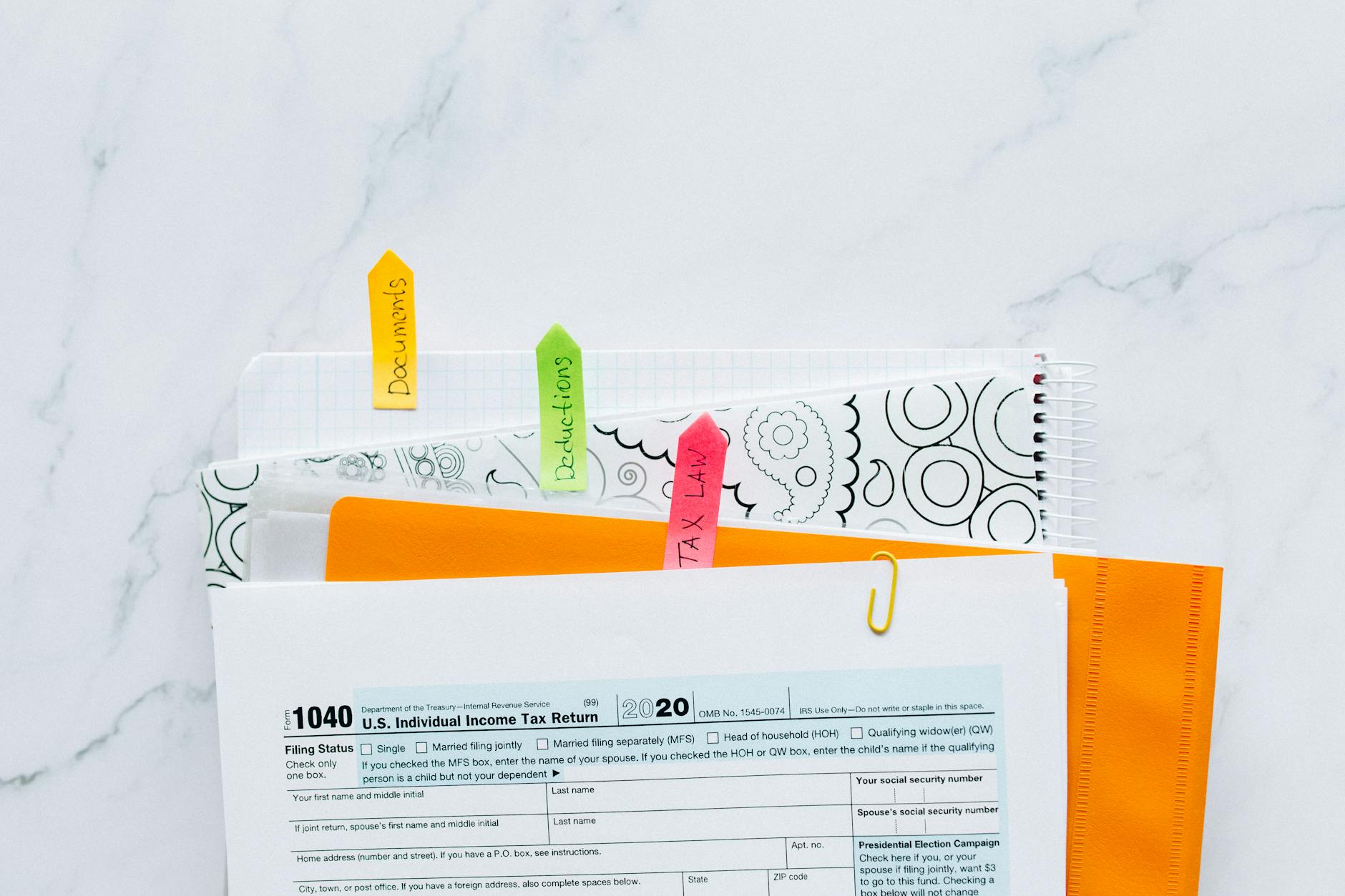
Tax time can be daunting, but it doesn't have to be! Addressing tax requirements involves staying organised and knowing which accounts are best suited for putting away funds for GST and other dues. Familiarity with financial tools and applications aids in tax sorting, freeing time for more creative pursuits or a stroll through the Melbourne Arts Precinct.
Achieving Management Flexibility
Ensuring flexibility in account management is all about choosing accounts that allow for unfettered access and seamless integration with your favourite financial applications. Imagine effortlessly moving funds, making instantaneous payments, or tracking savings bank interest rates that work best for you—all from your phone. Integration with accounting software could transform your financial world into one where invoices and expenditures are harmoniously in sync with your creative flow.
So, armed with this knowledge and a touch of artistic flair, you're set to blend financial savvy with your freelance dreams.